Aspirations4Amalia

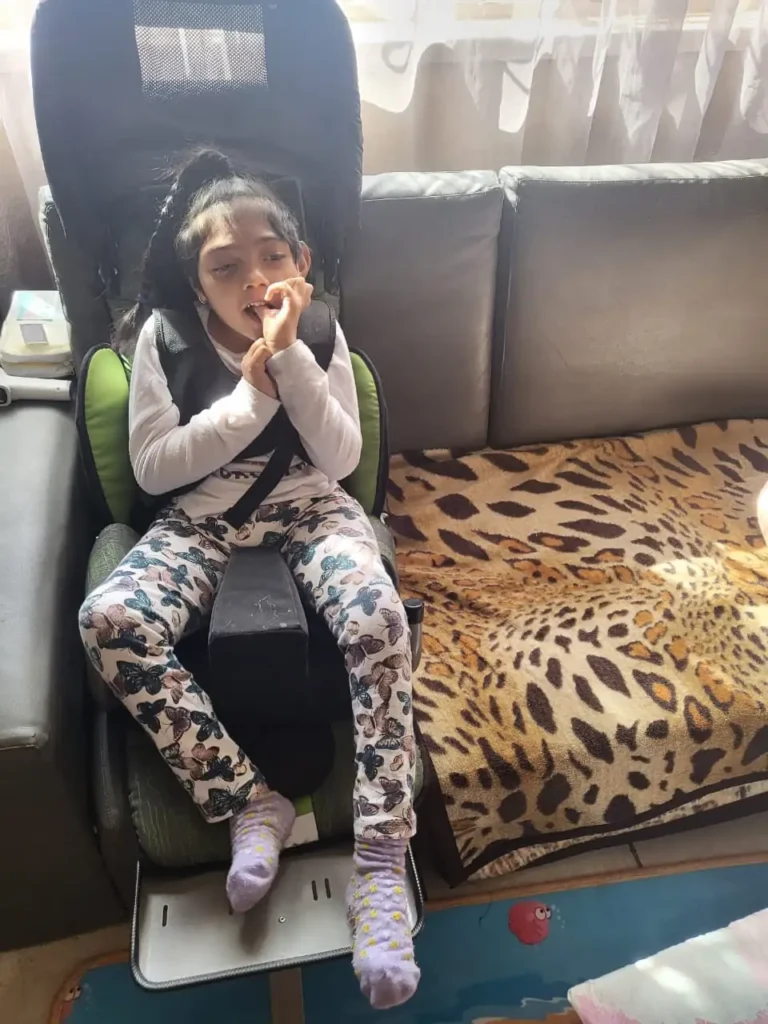
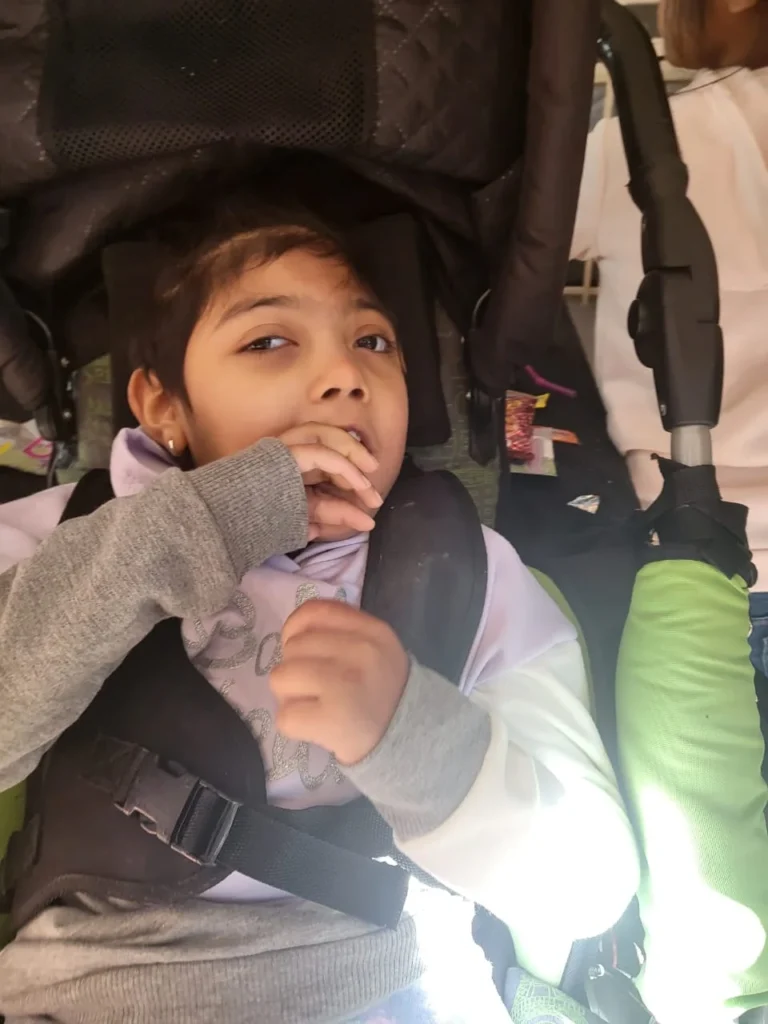
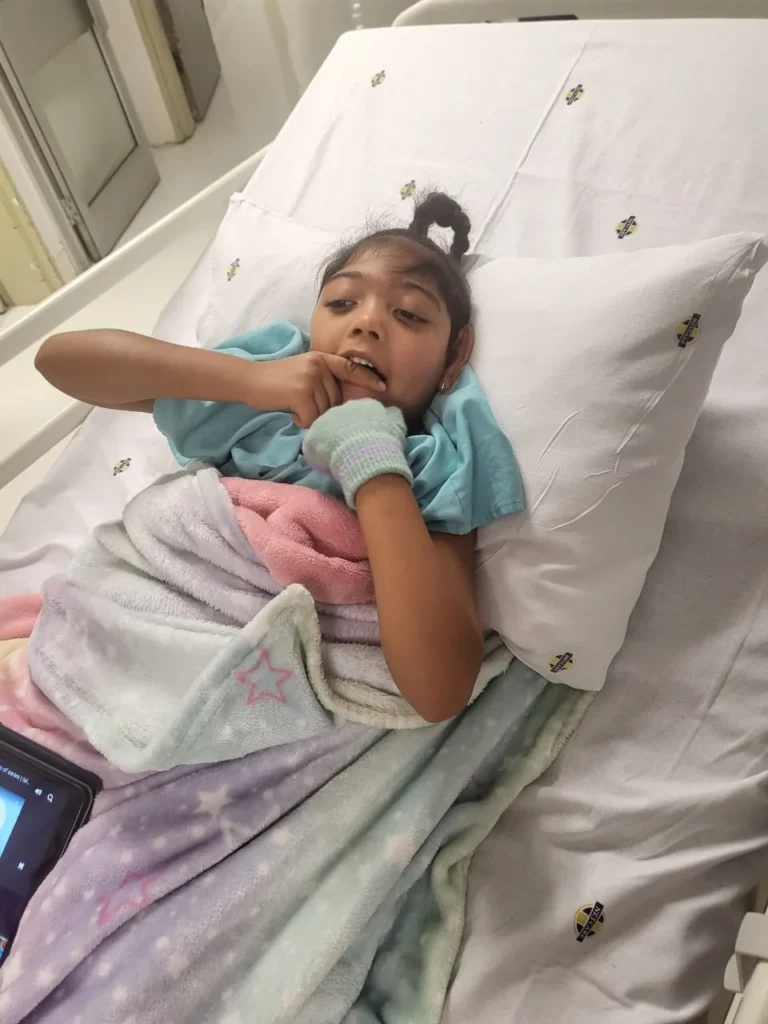
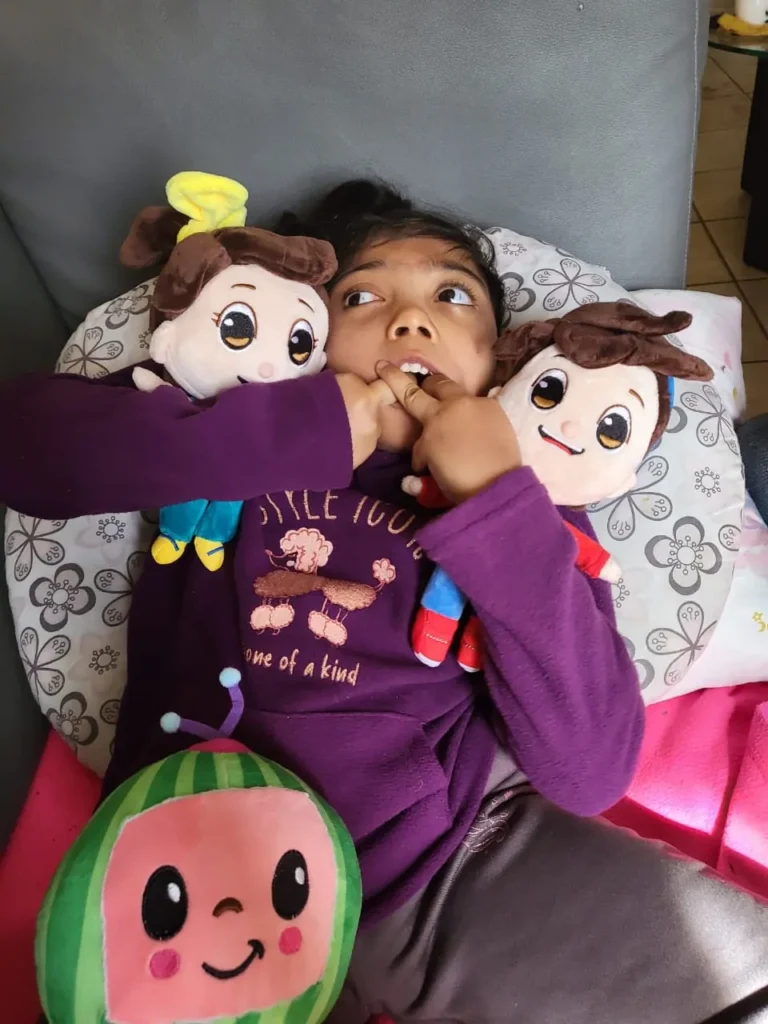
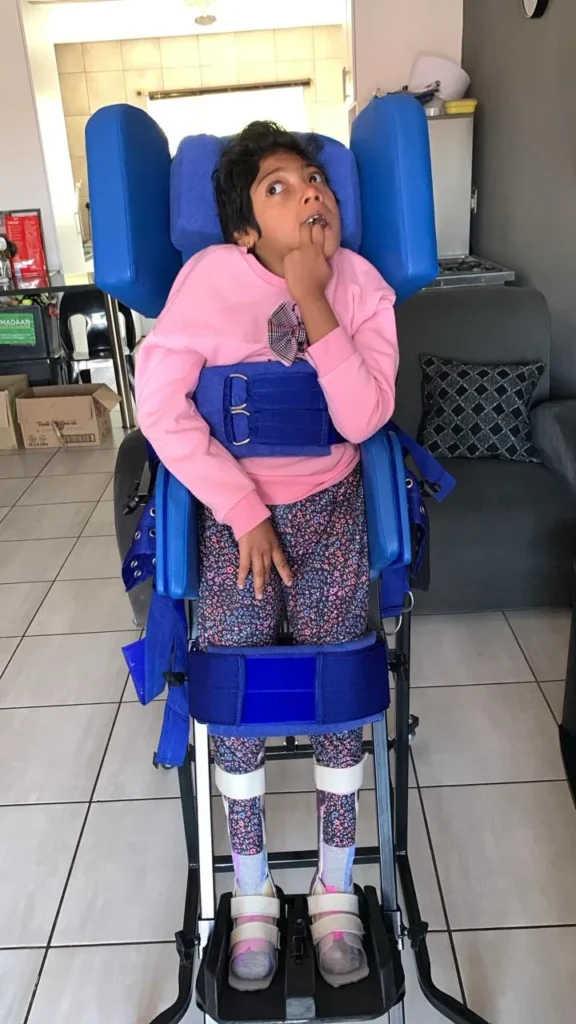
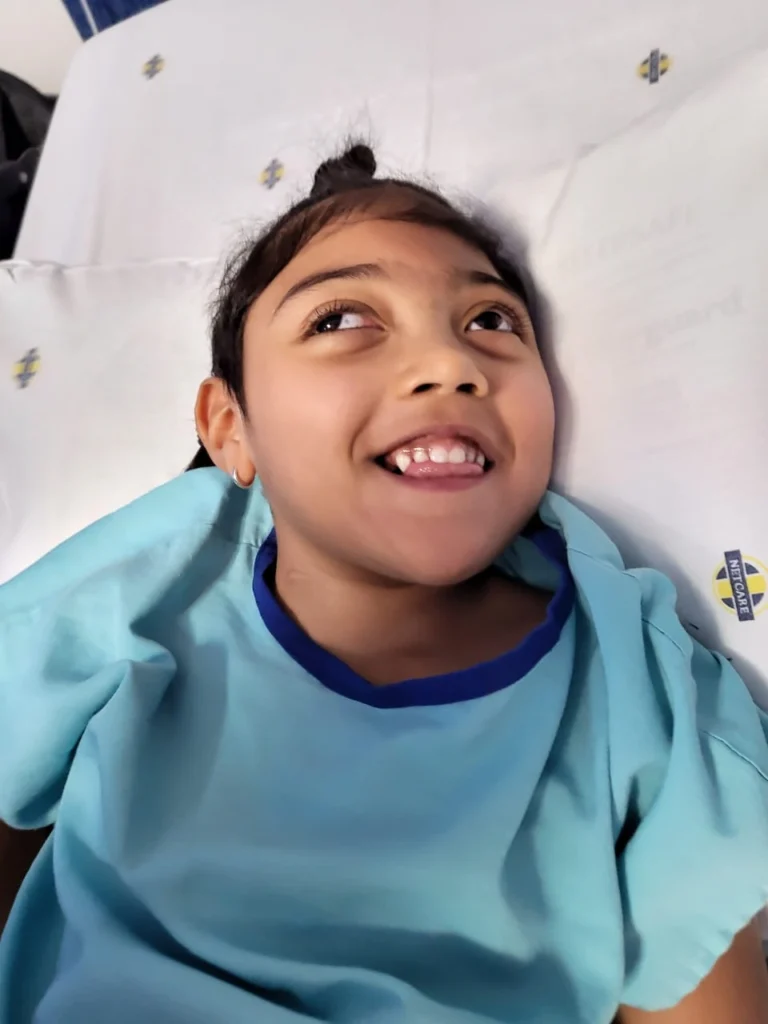
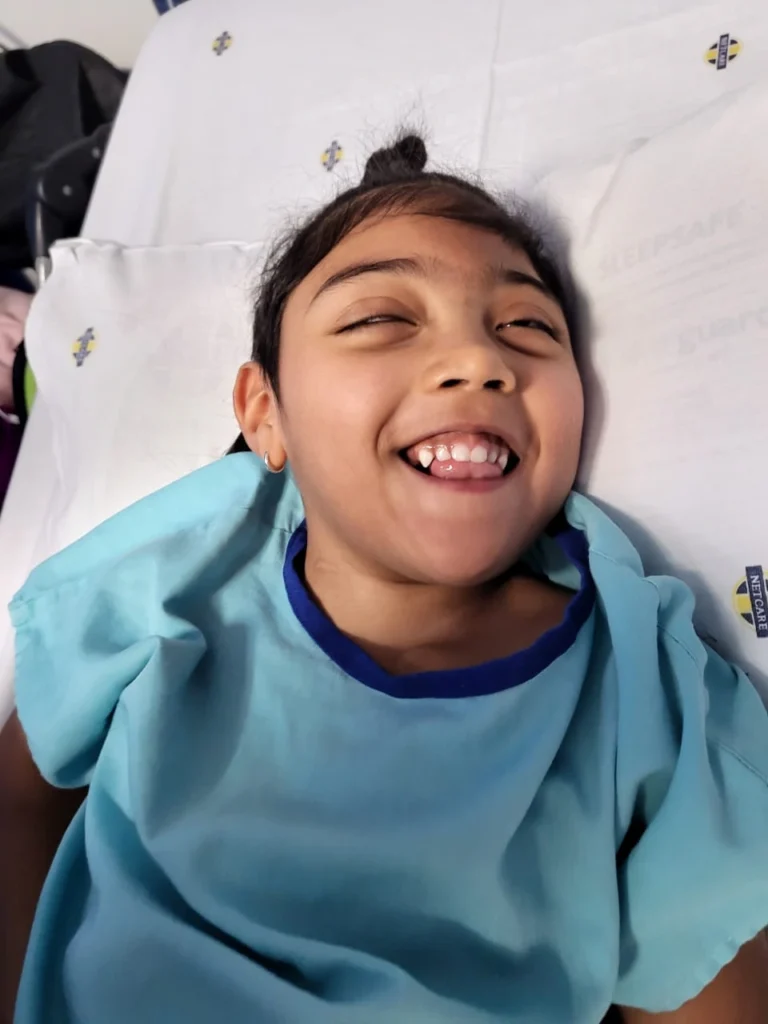
Amalia's Quest: A Warrior's Journey

Dandy-Walker Syndrome

A rare congenital malformation that involves the

cerebellum and fourth ventricle. Dandy Walker is characterised by genesis
or hyperplasia of the cerebella vermis, a cyst dilatation of the fourth
ventricle and enlargement of the posterior fossa.

Layman Description:

A rare condition where a part of her brain (the cerebellum, which helps with movement and balance) didn't form correctly.

Hydrocephalus

A condition in which excess cerebrospinal fluid (CSF)
builds up within the ventricles (fluid-containing cavities) of the brain and
may increase pressure within the head. As a result of this, A SHUNT WAS
INSERTED.

Layman Description:

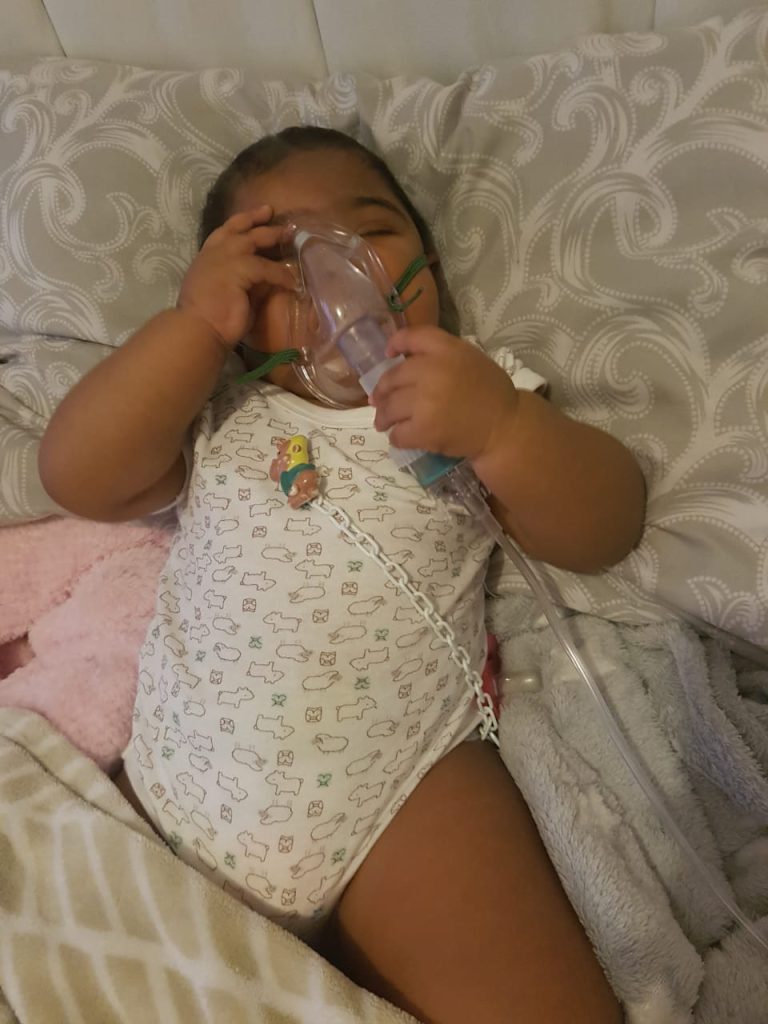
Often called "water on the brain." It means there's too much fluid built up in her head, which creates dangerous pressure. She needs a shunt (a small tube) to drain this fluid.

Complete Agenesis of the Corpus Callosum (ACC)

A rare birth defect
(congenital disorder) in which there is a complete or partial absence of
the corpus callosum. It occurs when the corpus callosum, the band of
white matter connecting the two hemispheres in the brain, fails to develop
normally, typically during pregnancy.

Layman Description:

The two halves of her brain are not connected properly. The "bridge" that allows them to communicate is either missing or only partly there.
Infantile Spasms / Seizures

A rare seizure disorder that occurs in young children,
usually under one year of age. The average age of onset is around four
months, but some children may experience spasms as early as one month.

Layman Description:

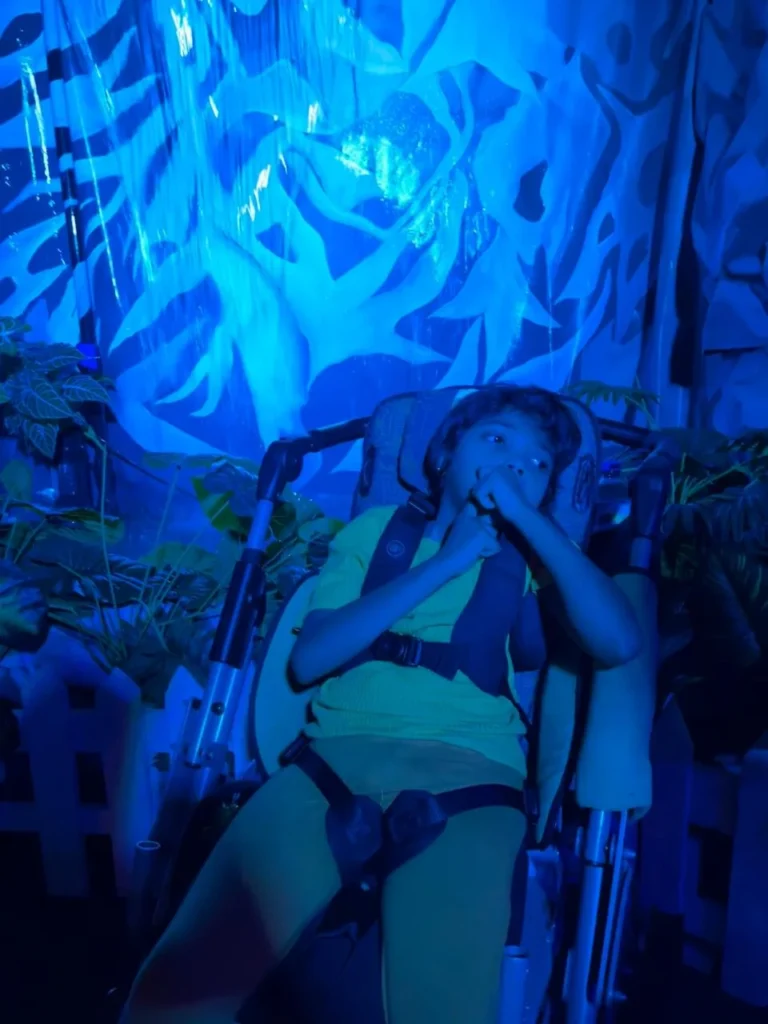
Sudden, electrical "storms" in the brain that cause her body to shake and disrupt normal function. She experiences these seizures daily.

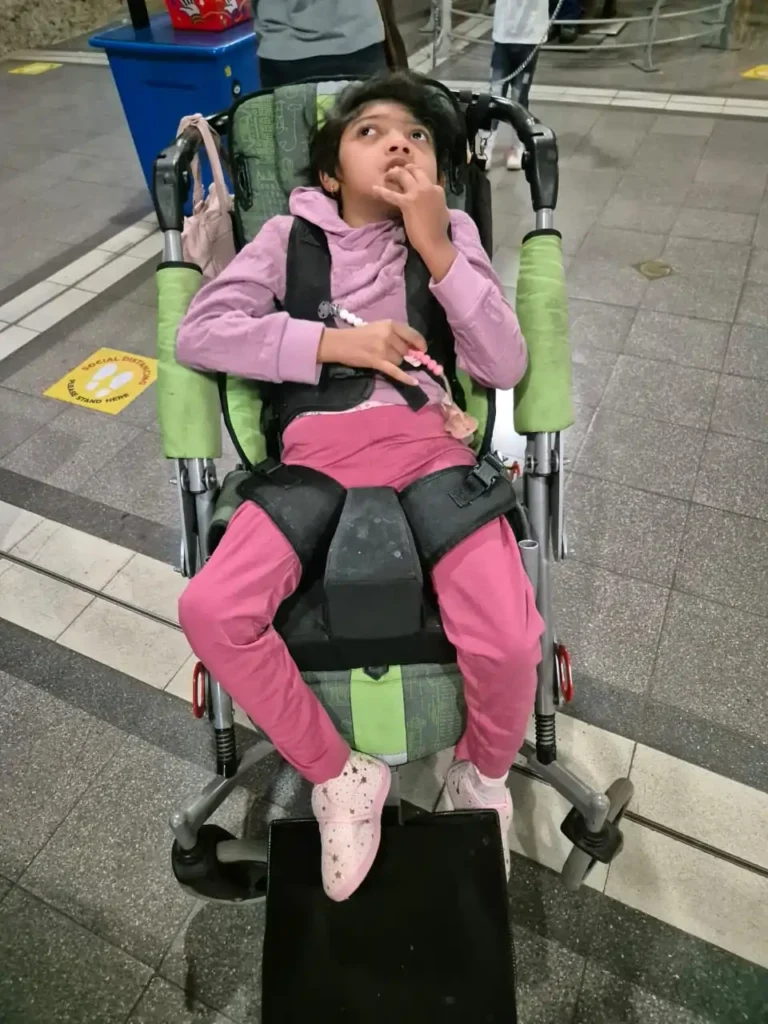
Cortical Vision Impairment (CVI)

Decreased visual response due to a
neurological problem affecting the visual part of the brain.

Layman Description:

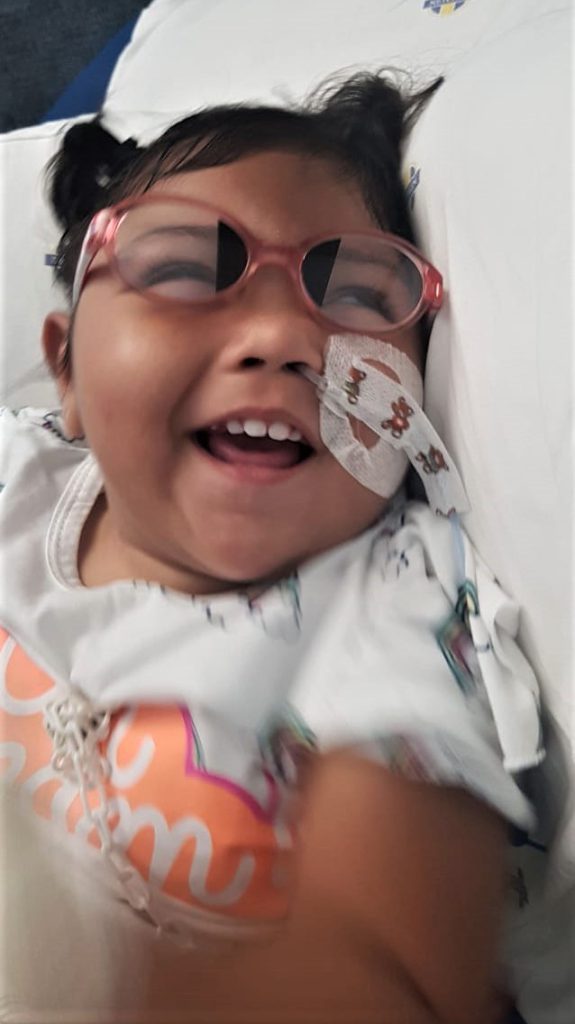
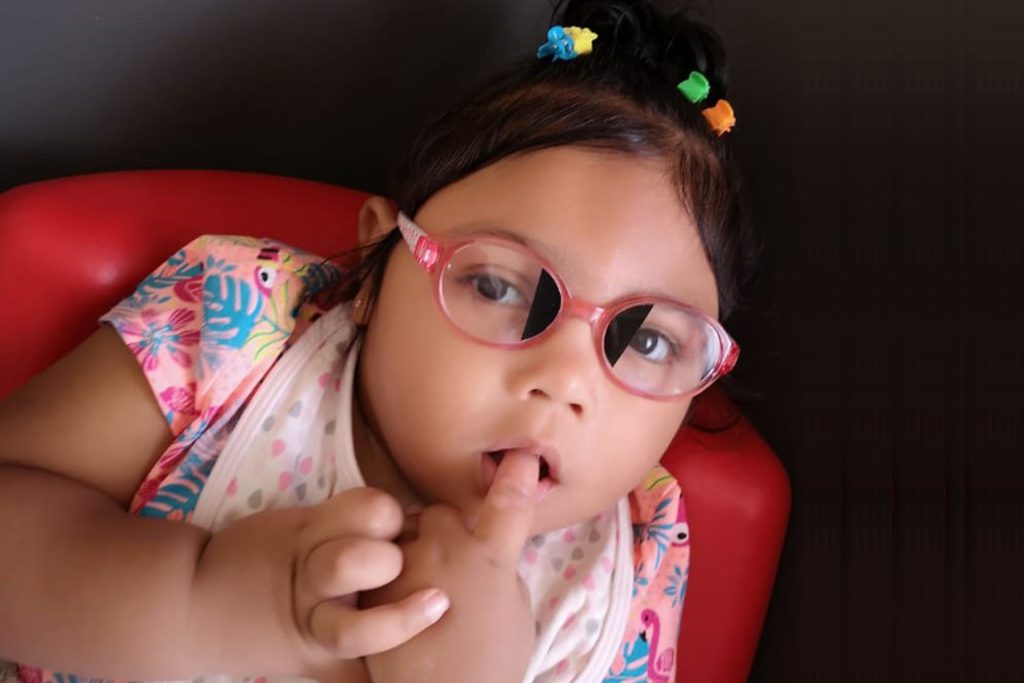
Her eyes are healthy, but her brain has trouble interpreting or "seeing" what her eyes show it. The problem is in the processing center of the brain, not the eyes themselves.

Scoliosis

A sideways curvature of the spine that occurs most often during
the growth spurt just before puberty. While scoliosis can be caused by
conditions such as cerebral palsy and muscular dystrophy, the cause of
most scoliosis is unknown.

Layman Description:

A condition where her spine is curved sideways, sometimes looking like an "S" or a "C." This requires careful monitoring and treatment.

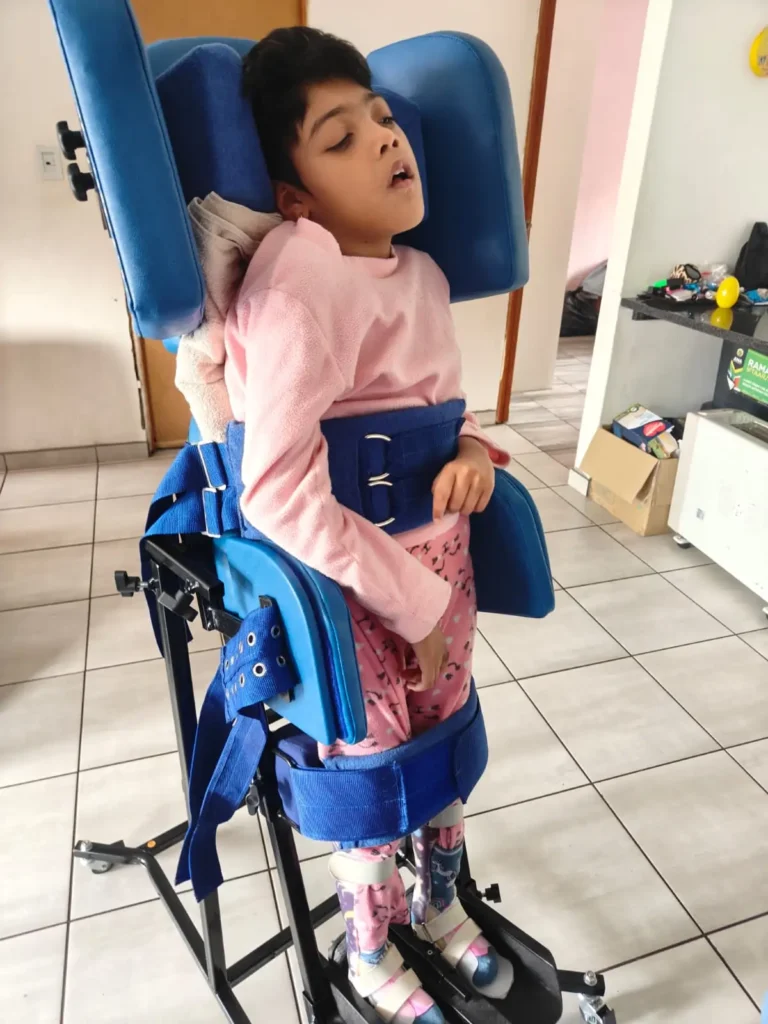
Hypotonia (Low Muscle Tone)

The amount of tension or resistance to
stretch in a muscle. Often involving reduced muscle strength. Hypotonia is
not a specific medical disorder, but a potential manifestation of many
different diseases and disorders that affect motor nerve control by the
brain or muscle strength.

Layman Description:

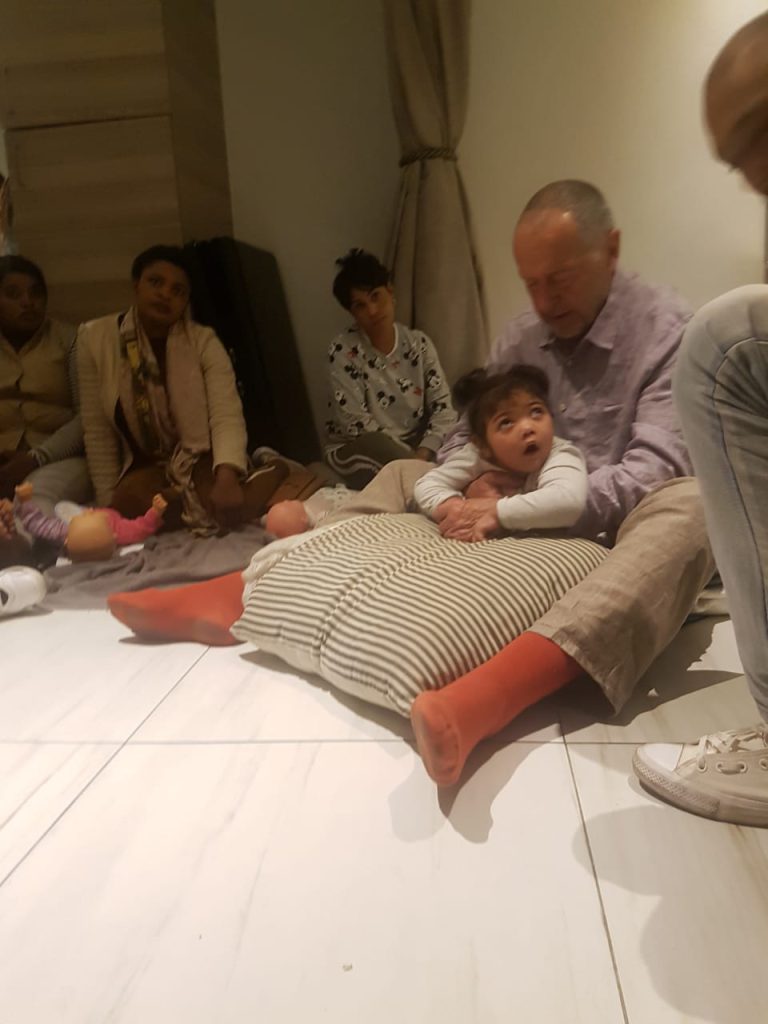
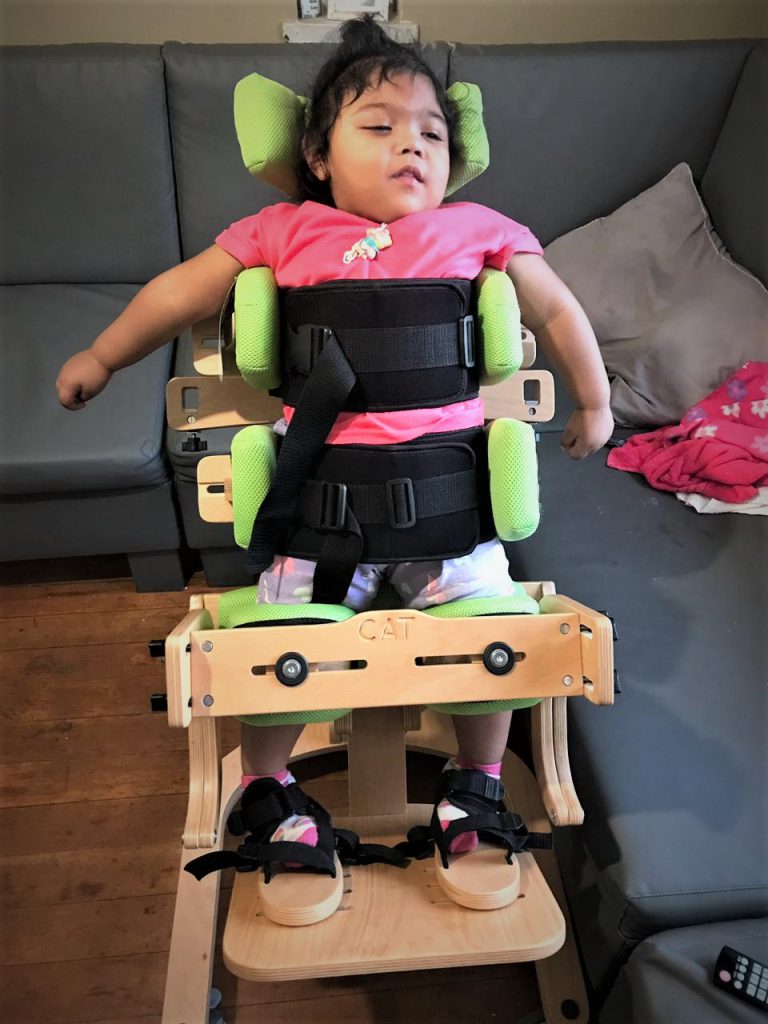
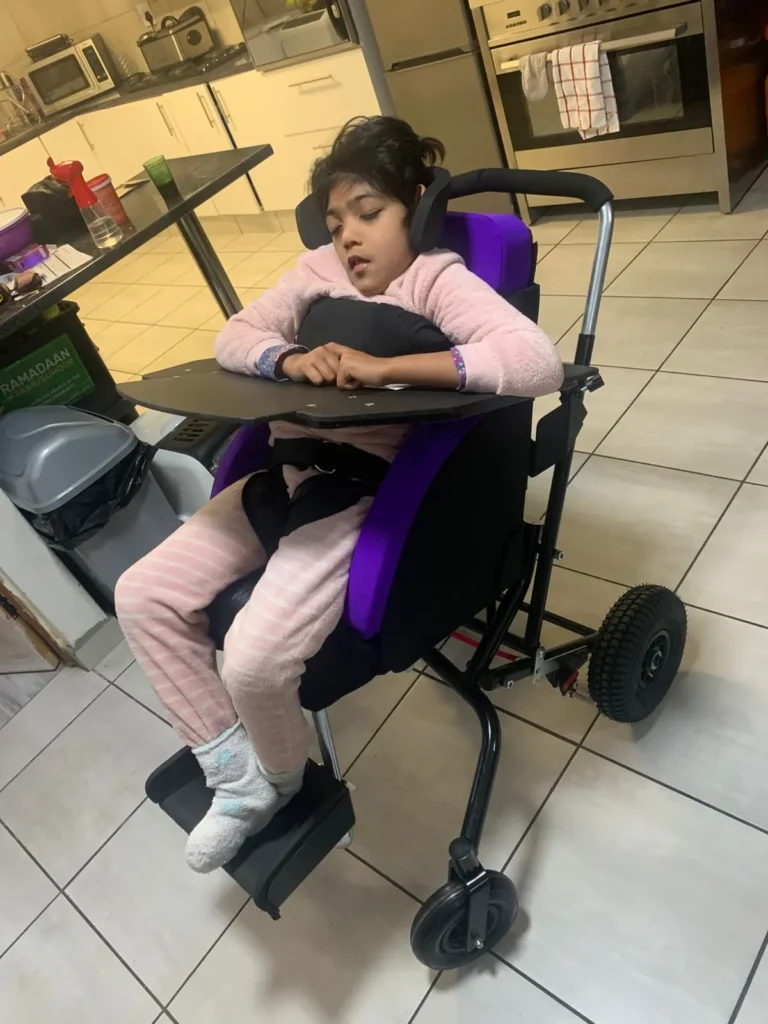
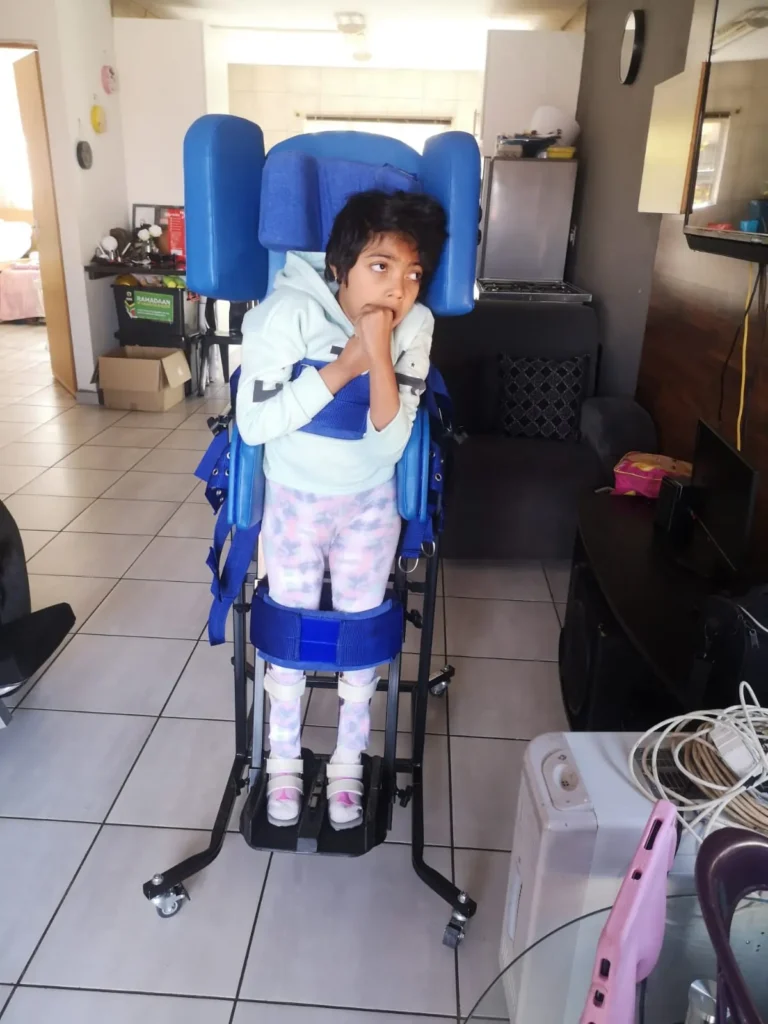
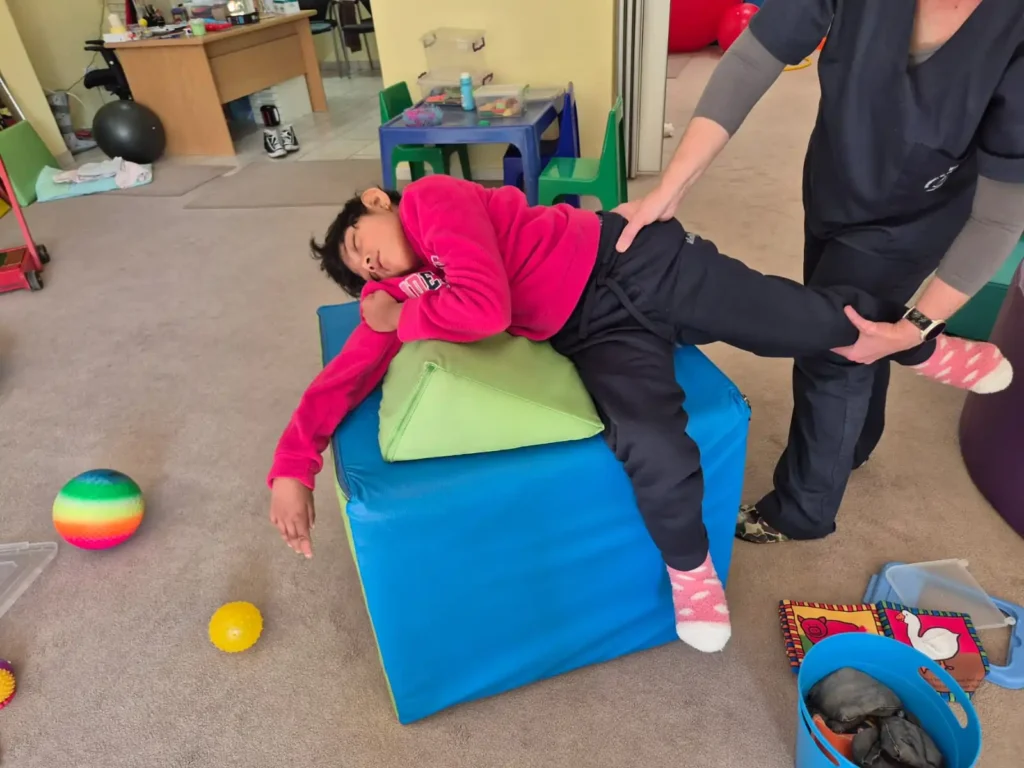
Her muscles are too weak and "floppy." They don't have enough tension, which makes everyday actions like sitting, holding her head up, and moving much more difficult.

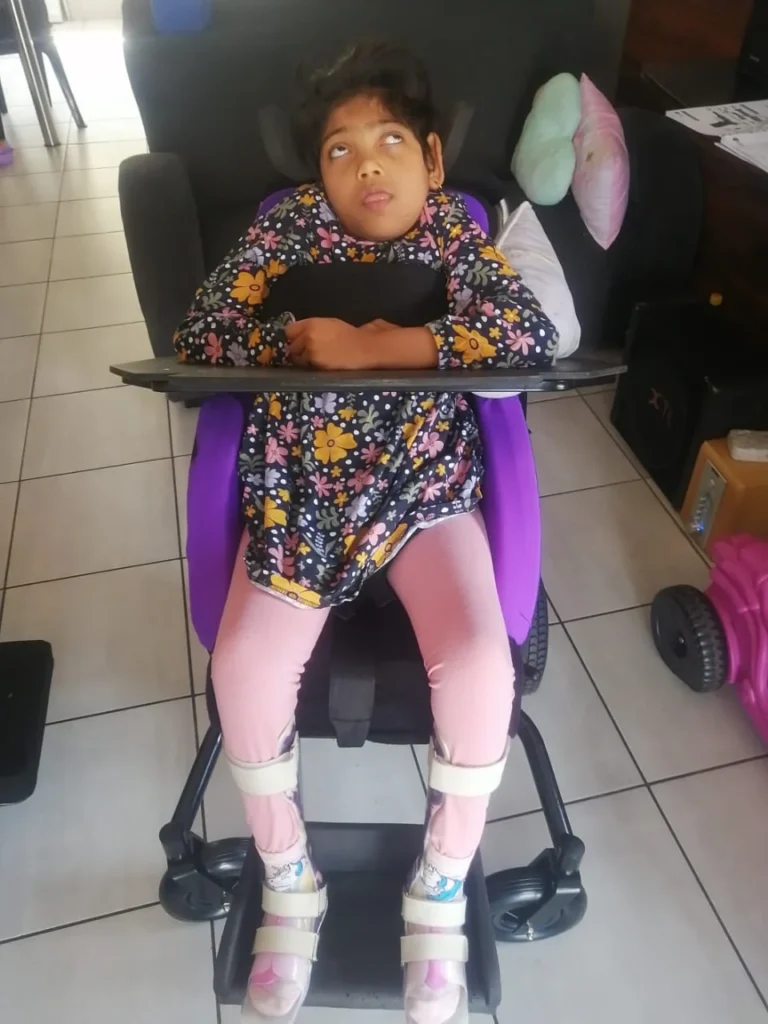
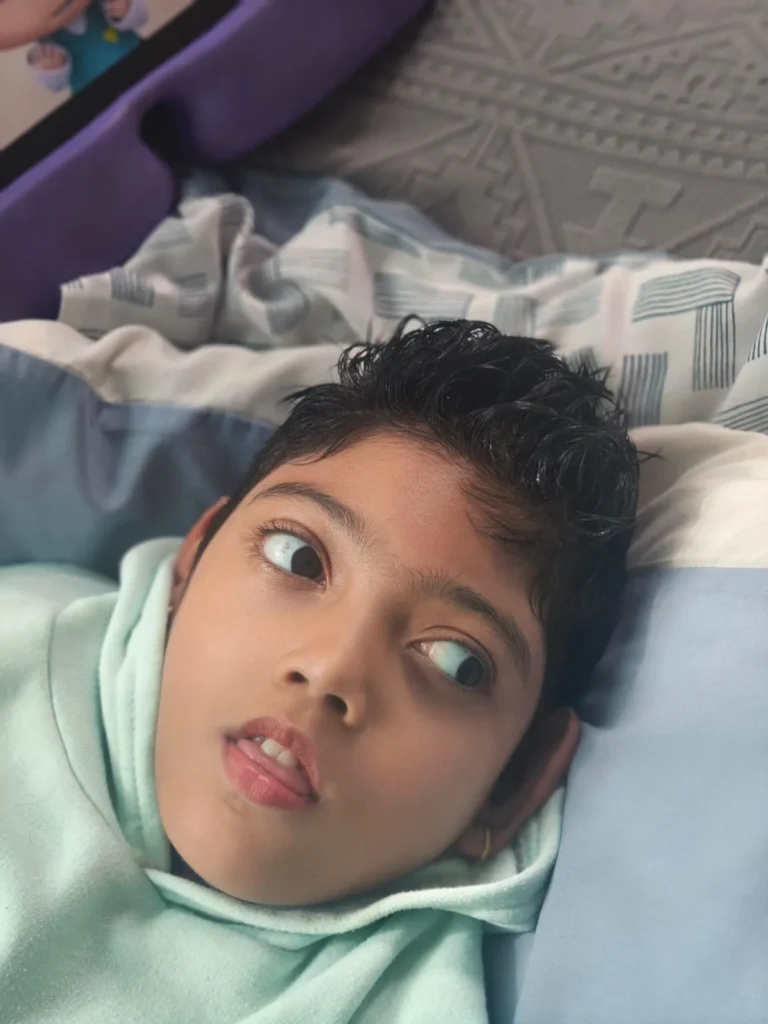
Nystagmus

Nystagmus is a medical condition characterized by uncontrolled, rhythmic, involuntary movements of the eyes that can be side-to-side, up-and-down, or circular

Layman Description:

Involuntary, rapid, and repetitive movements of her eyes that she cannot control. Her eyes constantly "wobble" or drift.

Amalia's Milestones